
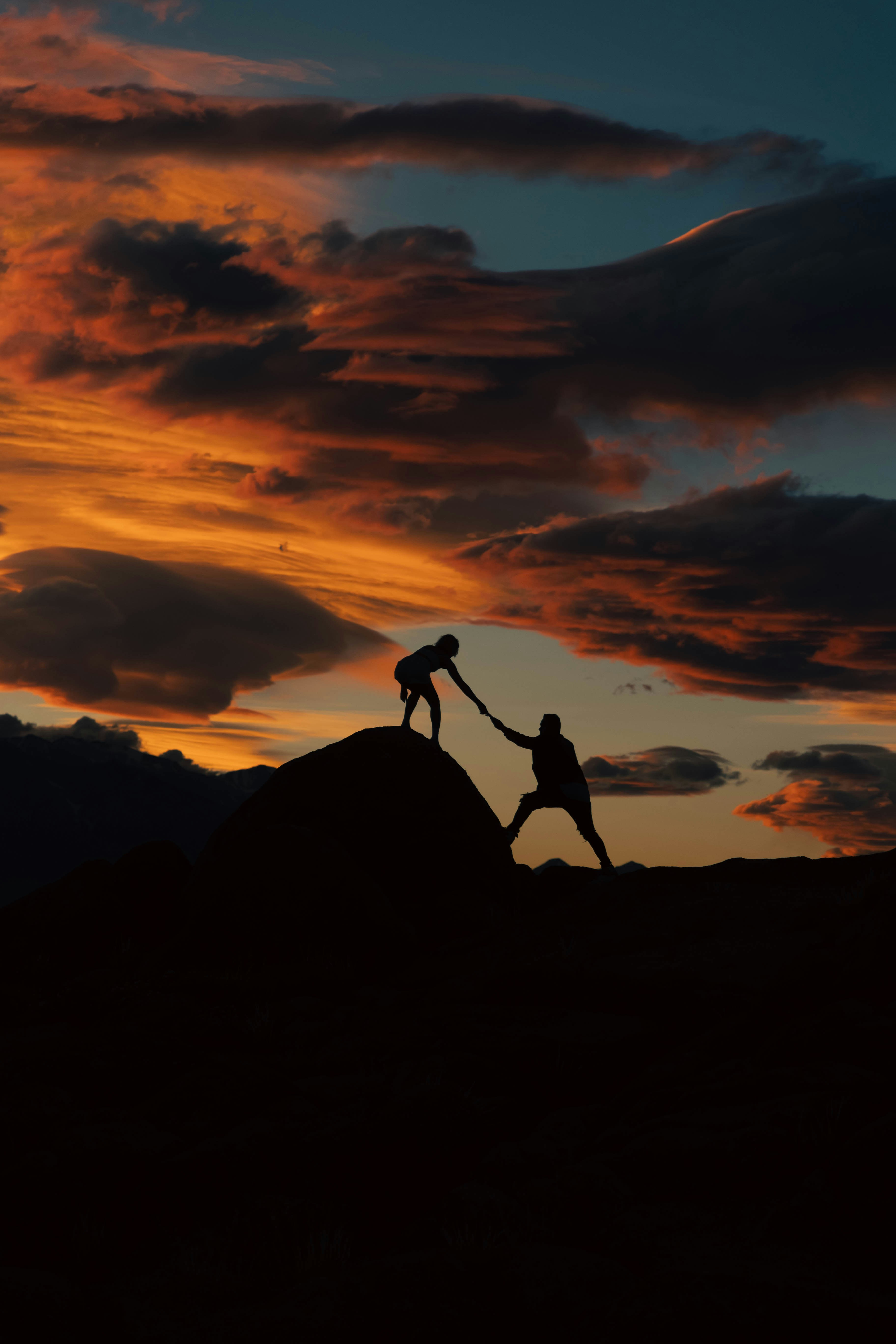
Cancer changes things. Sometimes it changes almost everything.
It can impose restrictions, disrupt routines, diminish physical capabilities and introduce limitations that were never part of the original plan.
There are things I can no longer do, things I must approach differently and things that require considerably more effort than they once did. Eating and drinking for example – who would have thought I’d never be able to eat or drink again? I certainly didn’t.
I cannot pretend these horrible limitations don’t exist. They are real, permanent and profoundly life-changing. There is no point pretending otherwise or trying to put a cheerful gloss on something that is genuinely difficult.
But equally, I cannot afford to allow these limitations to define the entirety of my existence.
They are part of my life, but they are not the whole of it.
I may have lost certain abilities, but I haven’t lost my curiosity, my imagination, my sense of humour, my capacity for kindness or my desire to make a meaningful contribution to the world around me.
There are still places to explore, people to encourage, experiences to enjoy, causes to champion and moments worth celebrating.
I cannot reclaim everything cancer has taken from me. But I can continue to explore what remains possible within the circumstances I now inhabit.
That doesn’t mean every day will be easy, or that I must constantly demonstrate courage, positivity or determination.
It simply means that I refuse to reduce the entire story of my life to a catalogue of its losses.
Cancer has changed the conditions under which I live. It hasn’t exhausted the possibilities of living.
Instead, I ask myself a different question.
Within the limits imposed by my cancer and its side-effects, what can I still do to help others, make a difference and enrich lives?
For me, that’s the essence of good cancer citizenship, something I have written about before.
It’s about recognising that while my circumstances have changed, my ability to contribute hasn’t disappeared.
I can still encourage somebody who needs encouragement. I can still offer kindness, share experiences, champion a cause, brighten someone’s day, make people laugh and help improve the world immediately around me.
I can still be useful, thoughtful, resourceful and generous.
I can still participate in life rather than simply observe it.
And perhaps most importantly, I can still make a difference without needing to pretend that everything is fine.
Good cancer citizenship isn’t about heroic achievements, relentless positivity or proving how much adversity I can withstand.
It isn’t a competition to see who can endure the most, do the most or remain the most cheerful.
It’s about exercising whatever agency remains available to me, however modest that might sometimes be.
Some days, that may mean taking practical action. Other days, it may mean offering a few words of encouragement, sharing a useful insight or simply listening to somebody who needs to be heard.
And on days when my body demands rest, good citizenship also means respecting those limits. My value as a person isn’t conditional on how much I manage to accomplish.
Cancer may have rewritten parts of my life, but it hasn’t taken away my interest in other people, my curiosity about the world or my desire to contribute something worthwhile.
I don’t have to be free of limitations to live a life of purpose.
I don’t have to be physically strong to exercise moral courage.
And I don’t have to be the recipient of kindness simply because I’m living with cancer. I can still be its giver.
Cancer and its fallout may determine some of the things I cannot do. It doesn’t get to decide everything I can still give.
That’s my understanding of good cancer citizenship.
Not merely asking what life can still offer me, but asking what I can still offer life.
This is a personal philosophy of good cancer citizenship.
One distinction I’d make central to this philosophy is that good cancer citizenship is an opportunity, not an obligation. Nobody living with cancer owes the world productivity, inspiration or service. There is dignity in simply getting through a difficult day.
But when you want to contribute, and when your circumstances permit it, there is something deeply meaningful about continuing to exercise that choice.
You’re absolutely right, John! Living with cancer is still living. It has made me appreciate the power of kindness too!