
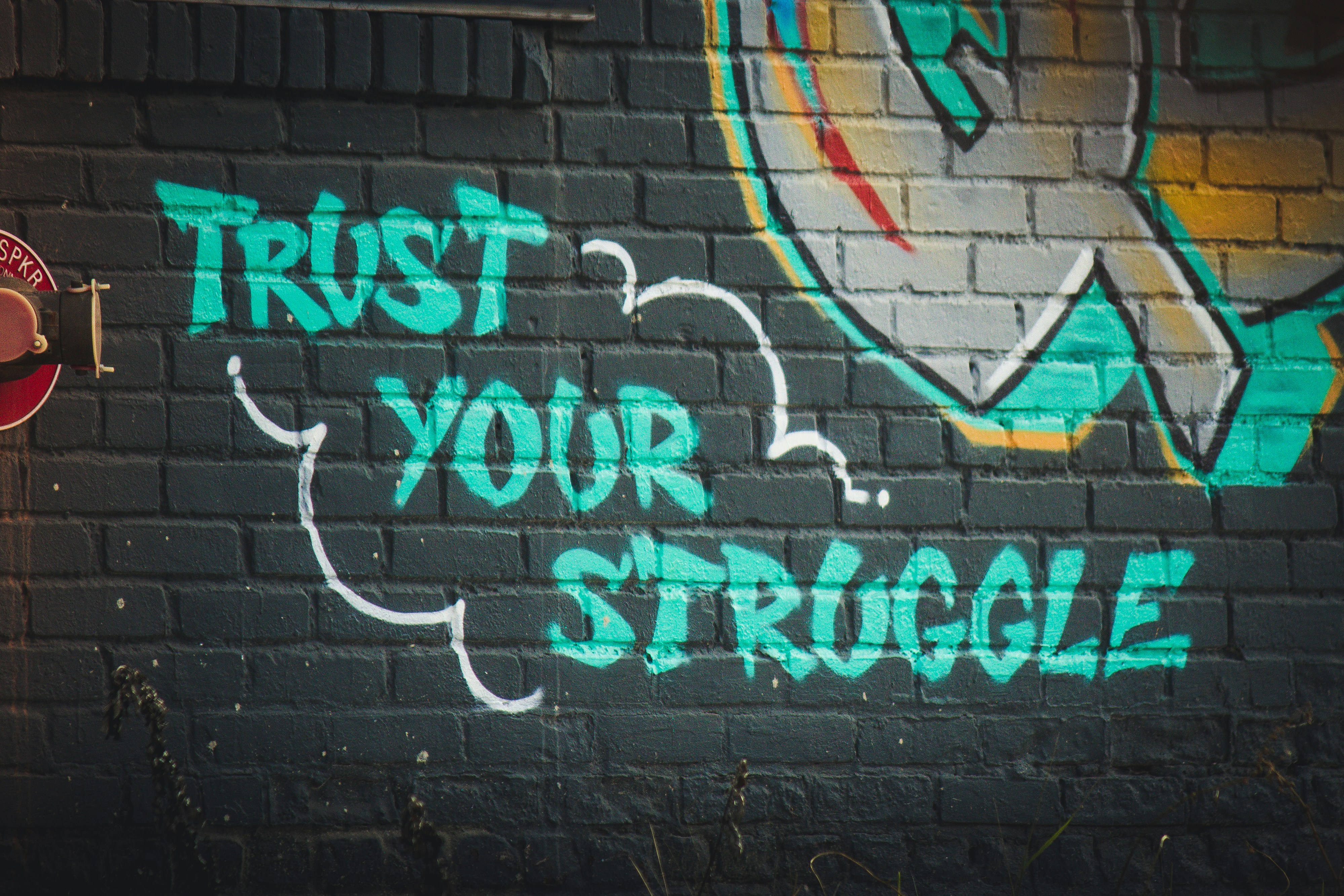
Recovering from multi-organ failure is hard work.
Recovery is exhausting, frustrating, and full of uncertainty. It’s also full of the kind of courage that rarely makes headlines.
People often imagine recovery as rest – lying still while the body quietly repairs itself. A slow return to normal. Time doing the heavy lifting.
But it’s not like that – the truth is very different.
Recovery is active survival, not passive waiting. When I was in Critical Care, as soon as I opened my eyes, the physios were there trying to get me out of bed. I thought, give me a minute, I need to work out where I am first!
But they were right, surviving meant getting up and about and moving.
Survival in hospital is dramatic, machines beep, decisions are urgent, and teams move quickly. Everyone understands that something serious is happening.
I had help to get me on my feet but within days I was left to it and the physios left me to fly solo. I quickly realised that recovery was all down to me.
Recovery is the work nobody sees.
When multiple organs fail, the body doesn’t simply “bounce back.” It renegotiates existence. Systems that once worked automatically must relearn cooperation. Energy production, digestion, balance, strength, sleep, temperature regulation – everything has to recalibrate.
Healing becomes invisible labour.
You wake tired after sleeping. You feel full but undernourished. You improve and then inexplicably slide backwards. You measure progress not in leaps but in millimetres.
And yet, beneath the surface, extraordinary rebuilding is taking place.
Cells repair, inflammation settles, connections reform and resilience quietly grows.
I realised that my body was running the most complex reconstruction project imaginable and I was living inside the construction zone.
Before illness, energy feels endless and automatic. Afterwards, it becomes a precious currency.
You learn quickly that everything has a cost. For example,
- A walk costs energy
- A conversation costs energy
- Eating costs energy
- Thinking clearly costs energy
Recovery teaches budgeting. Not financial budgeting, but biological budgeting.
You begin asking new questions:
- Is this worth today’s energy?
- What must I protect?
- What can wait?
It took me a while to understand that this isn’t weakness, it’s strategy.
Elite athletes manage energy to perform and recovery demands the same discipline except the goal is simply to live well again.
One of recovery’s cruellest tricks is expectation. We imagine improvement as an upward slope.
Instead, recovery looks like the British weather with all the seasons in one afternoon.
Good days arrive unexpectedly, bad days return without warning, symptoms fluctuate, confidence rises and falls.
Progress hides inside inconsistency.
A setback does not erase healing. A difficult day does not cancel progress already earned. The body heals in layers, not straight lines.
Learning this may be one of recovery’s hardest lessons: improvement can be real even when it doesn’t feel visible.
Multi-organ failure changes more than physiology. It changes perspective.
You discover strength you never planned to test. You learn patience you never wanted to need. You realise survival is not a single event but an ongoing practice.
A person recovering understands fragility and resilience at the same time. Someone who knows that ordinary days are, in fact, extraordinary.
Recovery asks for participation.
You show up to the small tasks: washing, cleaning your teeth, moving when you feel weak, resting when your mind wants productivity, believing progress exists even when evidence feels thin.
These actions may look minor from the outside, but together they form an act of daily courage.
Active survival means choosing hope repeatedly, even when certainty is unavailable.
It means solving the next problem rather than fearing the entire journey.
It means reducing panic’s bandwidth and giving healing room to work.
There are no applause lines for rebuilding strength spoonful by spoonful or step by careful step. Yet this phase demands a deeper endurance – persistence without spectacle.
Recovering from multi-organ failure is hard work.
But it is also proof of something remarkable: the human body fights to live and the human spirit learns to rebuild.
And hope, when practiced daily, becomes a form of strength.
Recovery is not waiting for life to resume.
Recovery is life – slowly, stubbornly, courageously moving forward again.
Enjoyed reading this?
Please consider donating to my GoFundMe and help support me through my recovery and cancer journey: https://gofund.me/2a6d5199